How Music and Art Can Improve Brain Function
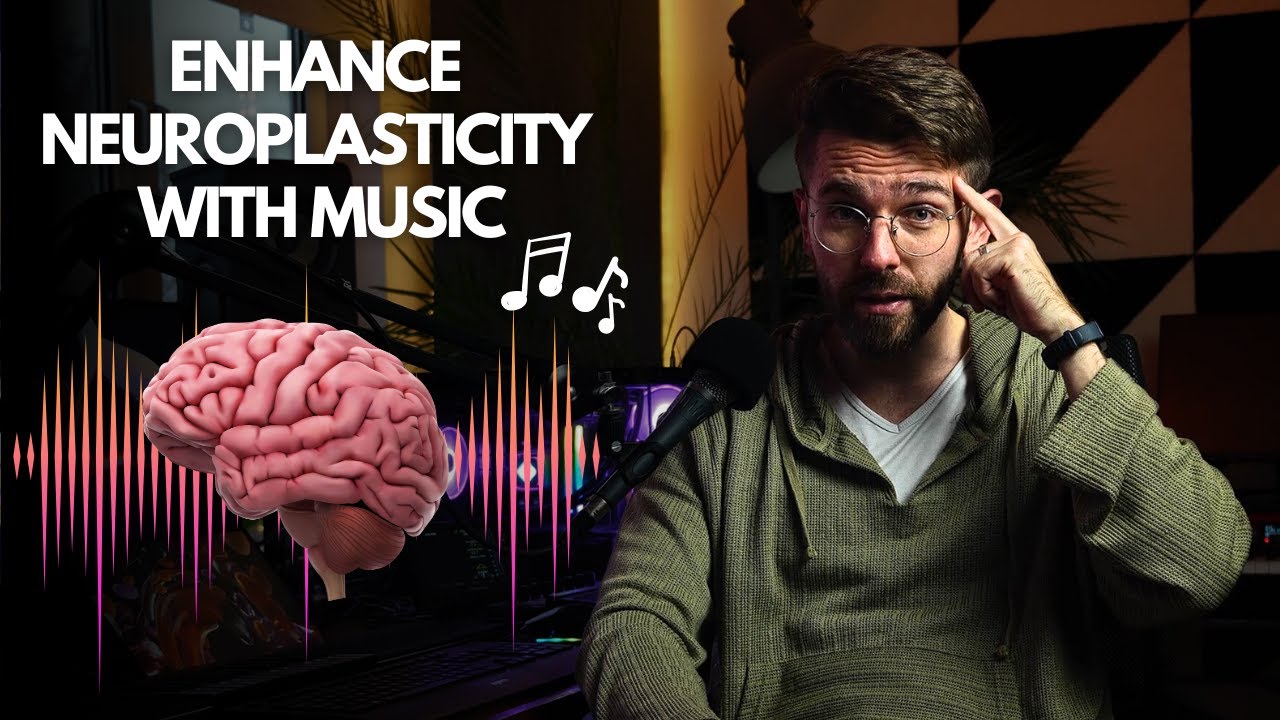
Music and art are more than forms of entertainment—they are powerful tools that stimulate the brain and enhance cognitive health. Engaging with music and artistic activities activates multiple areas of the brain, improving memory, creativity, emotional balance, and overall mental performance. Whether you listen to music, play an instrument, paint, or draw, these creative activities can have a profound impact on brain function.
Here’s how music and art contribute to a healthier and sharper mind.
1. Stimulate Multiple Brain Areas
Music and art engage several regions of the brain simultaneously. When you listen to music or create artwork, areas responsible for emotion, memory, movement, and creativity become active.
Benefits include:
- Improved neural connections
- Enhanced cognitive flexibility
- Better coordination between different brain regions
This multi-sensory stimulation helps strengthen the brain’s ability to process information efficiently.
2. Improve Memory and Learning
Music has a strong connection to memory. Many people can recall song lyrics from years ago because music activates the hippocampus, the brain region responsible for memory formation.
How music supports memory:
- Helps recall information more easily
- Strengthens long-term memory pathways
- Supports learning through rhythm and repetition
Art activities like drawing or painting also reinforce memory by encouraging observation and attention to detail.
3. Reduce Stress and Improve Emotional Health
Listening to music or engaging in artistic expression can significantly reduce stress levels. These activities lower cortisol, the body’s primary stress hormone.
Positive effects:
- Reduced anxiety and tension
- Improved mood and relaxation
- Greater emotional balance
When stress decreases, the brain functions more effectively and cognitive performance improves.
4. Enhance Creativity and Problem-Solving
Artistic activities stimulate imagination and encourage creative thinking. Creativity strengthens neural pathways that support innovation and flexible thinking.
Creative benefits include:
- Improved ability to generate new ideas
- Better problem-solving skills
- Increased mental adaptability
People who regularly engage in creative hobbies often find it easier to approach challenges from different perspectives.
5. Improve Focus and Concentration
Practicing music or creating art requires attention and concentration. Over time, these activities train the brain to maintain focus for longer periods.
Examples:
- Learning to play a musical instrument requires listening, coordination, and memory
- Painting or drawing requires sustained attention to detail
This focused practice strengthens cognitive control and improves productivity in other areas of life.
6. Support Brain Plasticity
Creative activities promote neuroplasticity, the brain’s ability to form new connections and adapt to new experiences.
How art and music support neuroplasticity:
- Encourage the brain to learn new skills
- Strengthen neural networks
- Help the brain adapt to challenges and change
This adaptability is essential for maintaining cognitive health as we age.
7. Encourage Social Interaction
Music and art often bring people together through shared experiences such as concerts, art classes, or creative collaborations.
Benefits of social creativity:
- Improved emotional well-being
- Stronger communication skills
- Greater sense of connection and belonging
Social engagement also supports long-term cognitive health and mental resilience.
Simple Ways to Use Music and Art for Brain Health
You don’t need to be a professional musician or artist to experience the benefits. Try incorporating creative activities into your routine:
- Listen to different genres of music to stimulate the brain
- Learn to play a musical instrument
- Practice drawing, painting, or photography
- Join art or music classes in your community
- Sing along to songs or participate in group music activities
Even a few minutes of creative expression each day can make a positive difference.
Final Thoughts
Music and art offer powerful benefits for brain health by stimulating multiple brain regions, improving memory, reducing stress, and enhancing creativity. These activities not only support cognitive function but also contribute to emotional well-being and personal fulfillment.
Incorporating music and artistic expression into your daily routine is a simple and enjoyable way to keep your mind active, sharp, and resilient throughout life.